



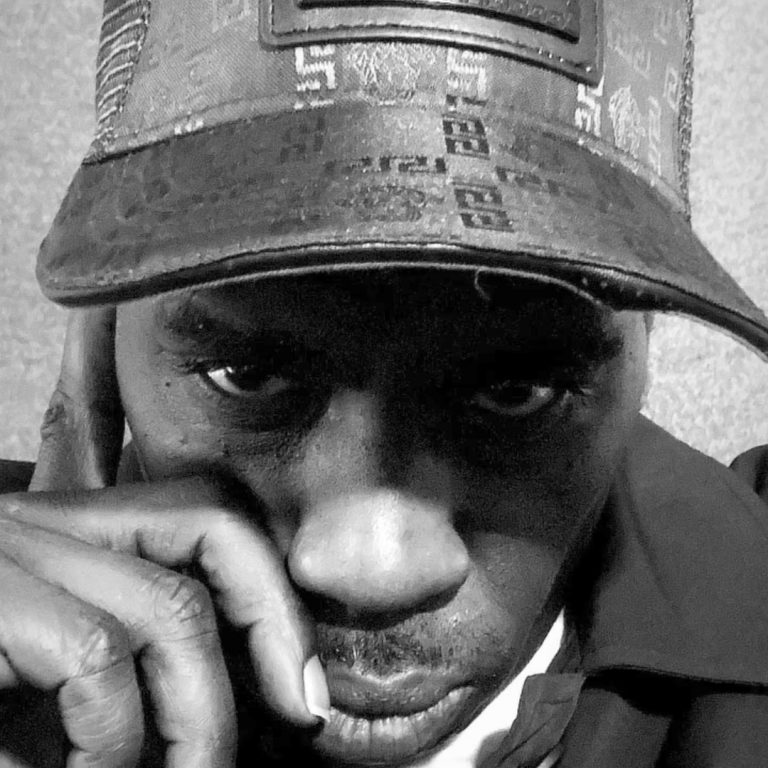
Wacko (of UTP / UTP Playas), a New Orleans rapper closely tied to the early-2000s Uptown/Magnolia scene and best known for his role on the classic “Nolia Clap,” has been the subject of circulating reports of his death as of August 28, 2026. Details remain unconfirmed by major outlets or official family statements at the time of those reports.
UTP (short for Uptown Project or Uptown Project Playas) was a Southern hip-hop/gangsta rap collective from New Orleans formed around 2002 by Juvenile (Terius Gray) after he left Cash Money Records. The initial lineup included Juvenile, Wacko, Skip, Corey Cee, Soulja Slim, and Young Buck. It was rooted in the Magnolia Projects (and broader Uptown) culture, reflecting street life, local pride, bounce influences, and the hard realities of New Orleans in that era.
Wacko came up in the New Orleans Magnolia Projects. He has described growing up around the original Hot Boys street crew (distinct from the later Cash Money rap group), running the streets, and being deeply embedded in that environment before and during his music career. He has spoken about coming home from prison around January 1, 2000, and quickly linking with Cash Money circles (including through Turk), touring with them briefly before UTP fully formed. Music was always present in the projects, and he connected with peers like Soulja Slim (from the same side of Magnolia), Juvenile, and others.
The group’s early releases included The Compilation (2002, Orpheus) and Street Stories (2003). Young Buck later left for G-Unit; Soulja Slim was murdered in November 2003. The core became more focused around Juvenile, Wacko, and Skip. Their breakthrough came with material tied to Rap-A-Lot/Asylum connections. The standout was “Nolia Clap” (2004), a bounce-infused anthem celebrating Magnolia that became a regional and broader hit. It was released in versions involving Juvenile featuring Wacko and Skip / UTP; Wacko has long maintained (in multiple interviews) that the original was his song, created in part while in Atlanta around Soulja Slim, and that business dealings, paperwork, publishing, and remixes left him shortchanged. Similar claims have been made regarding other tracks and overall UTP business. Skip has also discussed bad paperwork and the fallout.
UTP’s The Beginning of the End… and the Nolia Clap EP arrived around 2004. Wacko and Skip appeared on Juvenile’s 2006 album Reality Check. After Juvenile’s departure from the group dynamic, Wacko and Skip continued as a duo and released Back Like We Left Something in 2007 on Rap-A-Lot, which charted modestly on R&B/hip-hop lists. Hurricane Katrina in 2005 disrupted lives and careers across New Orleans; accounts from the circle describe a steep drop from industry visibility and award-show moments to hardship (including FEMA lines in some retellings).
Wacko has been candid in later interviews about feeling played out of money and credit on key records (including “Nolia Clap” and associations with tracks like “Slow Motion” in related discussions), walking away from the UTP situation and much of the mainstream rap game after the mid-2000s business soured. He has pushed back on rumors about him “blowing money” or being dropped, emphasizing that he never received what was owed and chose to leave. He has expressed ongoing love for the people involved as friends from the neighborhood while separating that from the business side. In recent years (interviews into 2024–2025 and even 2026), he continued speaking about his story, Magnolia roots, loyalty, the origins of the music, and life after the peak UTP run.
His contributions sit squarely in the New Orleans hip-hop continuum of the Cash Money/No Limit era and its aftermath—local slang, project pride, bounce energy mixed with street narratives. “Nolia Clap” remains the enduring calling card, still referenced and played as a classic that captured a specific time and place in the city. Wacko’s later public presence focused more on telling his version of events, reflecting on the streets that raised him, and the gap between street credibility, creative input, and industry outcomes.As of the circulating reports on August 28, 2026, confirmation of the passing, cause, exact timing, and any formal statements from family or close associates had not broadly materialized in major coverage. Condolences in online discussion have centered on his place in Magnolia/UTP history and the lasting impact of the music. New Orleans hip-hop has lost many from that generation to violence, illness, and other hardships; Wacko’s reported death, if confirmed, adds another chapter to that story while his recorded work—especially the UTP-era material and “Nolia Clap”—preserves the voice of that Uptown era.
Speak On It!